
Kirsten Cole, LCMHC, LCAS, CCS
How I Help
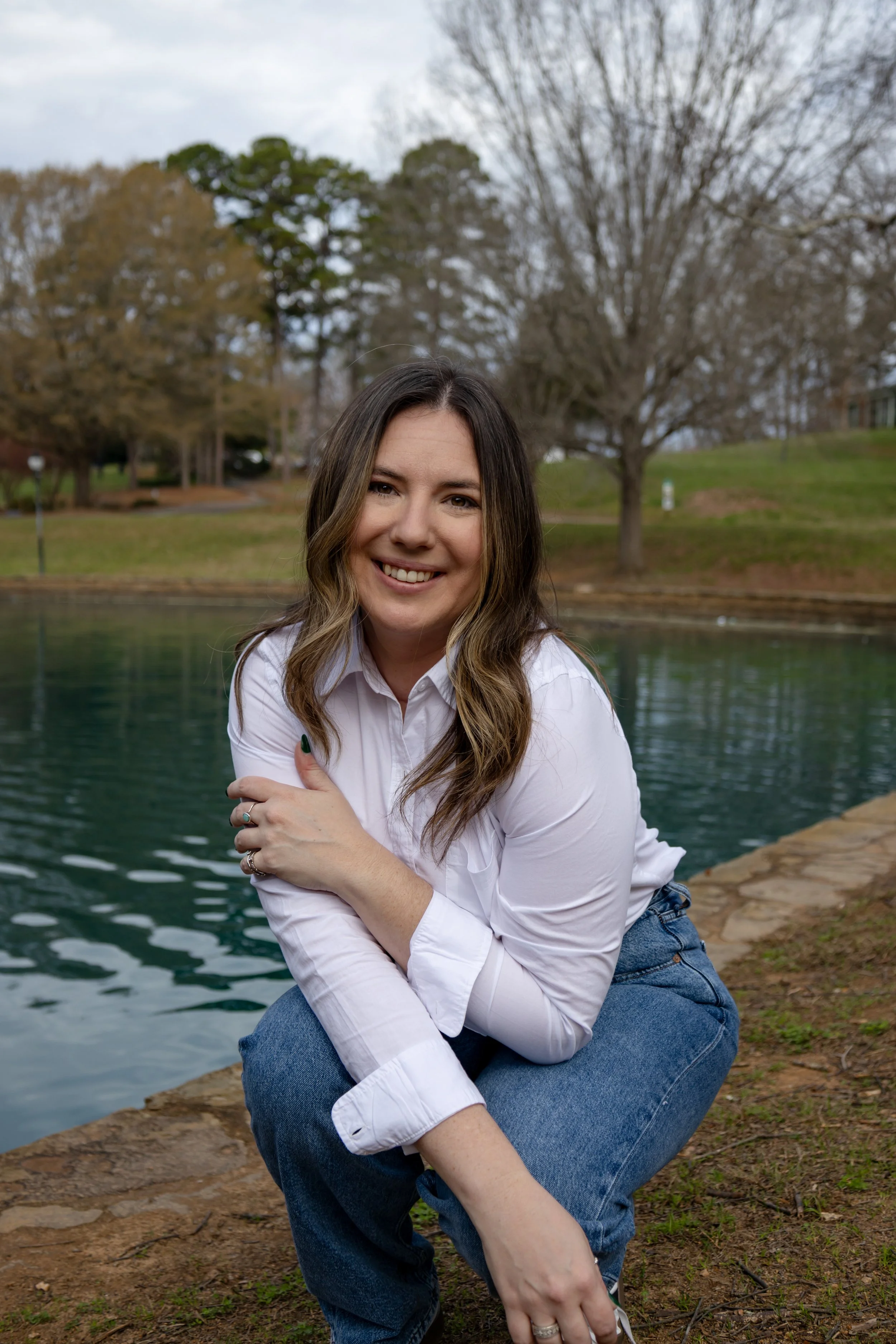
From the outside, you might look like you have it all together. But internally you may feel overwhelmed, disconnected, or stuck in patterns you don’t fully understand. You might find yourself overthinking relationships, feeling emotionally exhausted, turning to substances to cope, or constantly pushing yourself past your limits just to keep everything afloat. Often these patterns didn’t start with you. They developed as ways to adapt to earlier experiences and relationships.
In therapy, we slow things down so we can understand what’s happening beneath the surface. My work is experiential and trauma-informed, grounded in the belief that healing happens through safety, curiosity, and connection. Rather than only talking about things from a logical perspective, we pay attention to the emotional and relational patterns that developed over time and how they show up in your life today.
I often tell clients that we can go farther and deeper if we go slower and softer. Together we look at the strategies that once helped you survive or navigate difficult experiences, while creating new ways of relating to yourself and others that feel more supportive and aligned with who you are.
Trauma & Developmental Trauma
Trauma isn’t always one big event. For many people, it’s a collection of experiences that shaped how they learned to protect themselves, respond to stress, and move through relationships. Early environments can lead to patterns like people-pleasing, emotional independence, perfectionism, or becoming highly attuned to everyone else’s needs. These strategies often made sense at the time and may have helped you get through difficult situations. But later in life, they can leave you feeling stuck and exhausted. In our work together, we explore how these patterns developed so you can begin updating them in ways that better support the life and relationships you want now.
Inner Child Work
Sometimes younger parts of us show up through emotions, reactions, or beliefs that feel bigger than the present moment. Inner child work is about reconnecting with those parts of us with compassion rather than judgment. As we explore the experiences and unmet needs they carry, many people begin developing greater emotional awareness, self-trust, and a stronger sense of internal steadiness.
Substance Use & The Gray Area
Substance use exists on a spectrum. Many people find themselves somewhere in the gray area between casual use and addiction. You may notice alcohol or other substances playing a bigger role in coping with stress or emotions. Rather than approaching this with shame, we explore your relationship with substances with curiosity and what role they are playing in your life.
High-Achieving Women & Burnout
Many high-achieving women are used to carrying a lot. You may be someone others rely on while quietly pushing your own needs aside. Over time this can lead to burnout, exhaustion, and feeling disconnected from yourself. Therapy becomes a space where you don’t have to hold everything together. Instead, we work on stepping out of patterns of over-functioning and perfectionism, reconnecting with your needs, and building a life that feels more balanced.
Attachment & Relationship Patterns
The way we experience relationships today is often shaped by earlier relational experiences. These attachment patterns influence how you experience trust, closeness, conflict, and vulnerability. In therapy, we explore these patterns together so you can begin building relationships that feel more secure, authentic, and fulfilling.
About Me
I have a Bachelor’s degree in Psychology from Appalachian State University and a Master’s degree in Clinical Mental Health Counseling with a specialization in Addiction Counseling. I’m a Licensed Clinical Mental Health Counselor (LCMHC), Licensed Clinical Addiction Specialist (LCAS), and Certified Clinical Supervisor (CCS).
Most of my career has been spent in outpatient private practice supporting people navigating trauma, substance use, and relationship challenges. My work draws from experiential therapy, somatic processing, attachment theory, and trauma-informed care, all grounded in a person-centered approach. At the heart of it, I believe therapy works best when there is authenticity, collaboration, and space for people to reconnect with their own capacity for growth and healing.
Outside the therapy room, I love being outside. You’ll often find me paddle boarding, practicing yoga, caring for my houseplants, or hiking and exploring nature. I’m originally from South Florida and grew up quite literally in an orange grove. When I’m not outside, I’m usually curled up on the couch with my sweet dog Baxter happily snuggled up next to me.